

Installing gutters can be a satisfying Do-it-yourself endeavor that protects your home from water harm. However, it demands thorough preparation and focus to safety. Whether you're a seasoned DIYer or a new homeowner, adhering to these tips can assist you realize your gutter installation safely. For professional help, explore AGM Gutters, a revered supplier for Gutter Installation in Arkansas.
1. Examine the Roof and Ladder Arrangement
Before you start, obtain a close view at the surface and the region where you’ll be operating. Examine for loose shingles, damaged surface, or any signs of damage that could make the region insecure. A stable flat surface is essential for safe ladder positioning. Make sure the ladder is completely extended and locked in spot, and set it at the right slope—typically a 75-degree slope from the ground. A wobbly stair can result in serious tumbles, so stability is essential.
Also, consider the weather. Moisture, gusts or extreme heat levels can result in working on a roof increasingly risky. If situations are not optimal, it’s safer to postpone. Your safety should permanently be the main concern.
2. Employ Proper Safety Gear
Safeguard yourself with the right gear. A harness and lanyard can stop falls if you're working on a sloped roof. Wear non-slip shoes with good traction to avoid slipping on wet or uneven surfaces. A hard hat can shield your head from falling debris or tools. Safety glasses will shield your eyes from dust, wood chips, or metal shavings during installation.
Don’t forget gloves. They safeguard your hands from sharp edges, splinters, and cold metal. Even a small cut can become a big issue if it gets infected. Taking a few minutes to gear up appropriately can save you from serious injuries later.
3. Check for Electrical Lines and Service Conduits
Before you start boring or nailing, confirm there are no electrical cables or infrastructure conduits in the area. This is particularly crucial if you’re working near electrical wires or if your property has aerial cabling. https://texarkana-ar.agmguttershorsehoebend.com/ Contact your regional utility provider to mark any underground lines before you initiate. Even a minor error can cause a dangerous situation.
If you’re not sure about the location of lines or conduits, it’s most advisable to reach out to a professional. Safety must never be sacrificed for the sake of convenience. A bit additional caution can avoid major incidents.
4. Measure Twice, Cut Once
Accuracy is crucial when installing gutters. Measure the length of each section precisely before cutting. Use a tape measure and indicate the measurements clearly. Double-check your numbers before making any cuts. A small mistake in measurement can lead to gaps or misalignment, which can cause water to leak and damage your home.
When cutting, use a metal snip or a hacksaw for clean cuts. If you’re working with aluminum or steel gutters, a power miter saw can increase efficiency and more precise. Always use eye protection when cutting metal to stay away from injury from flying debris.
5. Secure Gutters with Proper Fastening
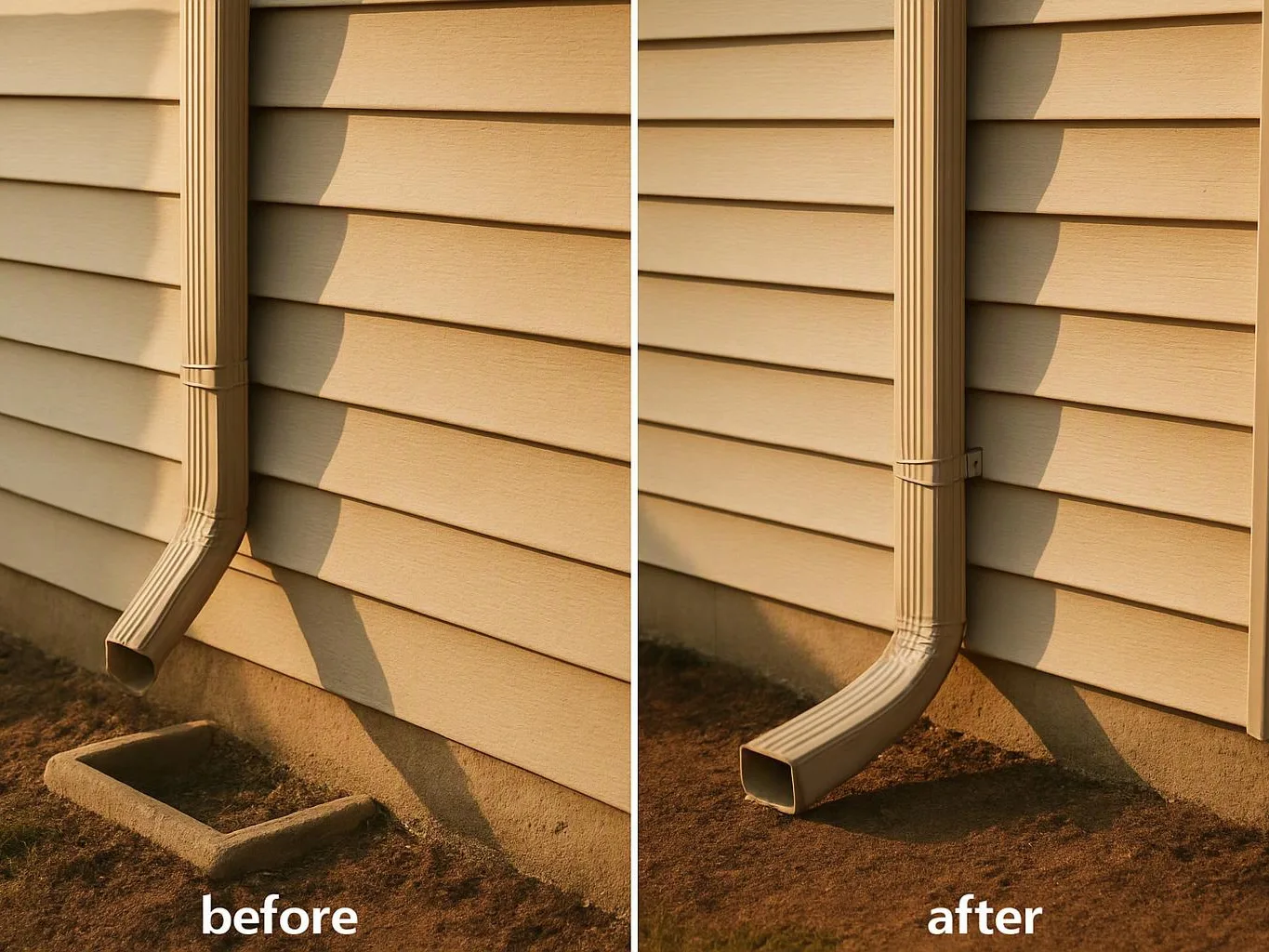
Using the correct fastening is essential for a durable gutter system. Follow the manufacturer’s advice for screws, brackets, or hangers. Avoid using nails unless they’re exclusively designed for gutter installation. Nails can loosen over time, causing the gutters to droop or fall.
Space the fastening evenly along the extent of the gutter. Typically, one support every 2 to 3 feet is sufficient. If you’re installing gutters on a steep roof, you may need to introduce more reinforcements to prevent drooping. Right installation guarantees your gutters stay in place and operate as intended.
6. Ensure Proper Slope for Rainwater Drainage
One of the most important aspects of gutter installation is making sure the correct slope for water to drain. Gutters should tilt slightly toward the drainpipes—about 1/4 inch per 10 feet of distance. This enables water to move correctly and stops accumulation or excess flow.
7. Secure Connections and Connections
Securing the connections and connections is essential to stop seepage. Apply a top-notch gutter adhesive or caulk to fill any voids between segments. Spread a light even application to guarantee a watertight closure. Refrain from excessive application, as extra adhesive can create a mess and may not stick properly.
8. Test the System Before Finalizing
Once the gutters are installed, verify the system to make sure everything works as expected. Pour water through the gutters and observe how it moves. Examine for any drips, sagging, or misalignment. If you notice any issues, carry out modifications before the system is entirely set.
Frequently Asked Questions
What tools do I need for gutter installation?
Basic tools include a step ladder, measuring tape, straight edge, safety gear, and a screwdriver. You’ll also need gutter fasteners, nails, and sealant. For cutting, a metal cutter or metal snip is useful. Ensuring the right gear makes the job safer and faster.
How long does gutter installation take?
A usual Handyman gutter installation can take a few hours to a full day, depending on the size of the home and the complexity of the system. If you’re installing a simple system on a small house, you may complete in a few hours. Bigger or higher level installations require more time and organization.
When should I hire a contractor?
If you’re not sure about the process, don't have the appropriate equipment, or are working on a sloped or complex roof, it’s recommended to hire a professional person. A professional can make sure the job is carried out properly and correctly, mainly if you’re not experienced with rooftop or gutter systems. For local help, think about AGM Gutters, a revered company for Gutter Installation in Arkansas.
Last updated November 2026